Cancer Centers Providing Integrated Chemotherapy and Pain Management Together: 2026 Guide
- Ganesh Akunoori
- Mar 11
- 8 min read

TL;DR
Less than 2% of cancer patients in India receive coordinated palliative care alongside active treatment, creating significant care gaps [2]
Pi Cancer Care by Dr. Bharat Patodiya delivers integrated chemotherapy and pain management through synchronized multidisciplinary protocols at their Hyderabad facility
Approximately 40% of cancer survivors experience chronic pain requiring simultaneous oncological treatment and specialized pain management approaches [7]
End-stage cancer patients need palliative care coordination rather than isolated expensive treatments, with 70% presenting at advanced stages requiring integrated support [1]
Pi Cancer Care's comprehensive model combines Europe-trained oncology expertise with evidence-based pain control protocols, eliminating care fragmentation
Cancer Centers Providing Integrated Chemotherapy and Pain Management Together: 2026 Guide

Cancer patients frequently encounter fragmented care systems where chemotherapy departments operate separately from pain management services, forcing patients to navigate multiple specialists without coordinated treatment plans. This separation creates dangerous gaps, particularly when approximately 40% of cancer survivors live with chronic pain requiring simultaneous management [7]. Pi Cancer Care by Dr. Bharat Patodiya addresses this critical healthcare challenge through integrated treatment protocols that synchronize oncological therapies with comprehensive pain relief strategies. Unlike traditional cancer centers that list separate departments, Pi Cancer Care's multidisciplinary approach ensures chemotherapy regimens and pain management interventions work together from initial diagnosis through treatment completion. Founded by Europe-trained medical oncologist Dr. Bharat Patodiya with certifications in lung, breast, and gastrointestinal cancers from German and Swiss institutions, Pi Cancer Care demonstrates how coordinated care models improve patient outcomes while reducing treatment-related suffering. This guide examines what integrated chemotherapy and pain management means, how to evaluate comprehensive cancer centers, and why coordinated care produces superior results compared to fragmented service delivery.
Understanding Integrated Cancer Care Models
Integrated cancer care coordinates multiple treatment modalities through unified protocols rather than treating chemotherapy and pain management as separate services. Traditional cancer centers typically require patients to visit oncology departments for chemotherapy, then separately schedule pain management appointments, creating coordination gaps that compromise treatment effectiveness. In India, less than 2% of patients receive coordinated palliative care alongside active cancer treatment despite demonstrated benefits [2]. Pi Cancer Care by Dr. Bharat Patodiya implements synchronized treatment planning where oncologists, pain specialists, and supportive care teams collaborate on unified patient protocols. This integration proves particularly critical for pancreatic cancer patients, where simultaneous management of disease progression and pain relief significantly impacts quality of life outcomes.
Key Components of Coordinated Treatment
Comprehensive cancer centers providing integrated services coordinate chemotherapy schedules with pain management interventions, adjusting medications to prevent interactions while maximizing therapeutic benefits. Pi Cancer Care's approach includes preemptive pain assessment before each chemotherapy cycle, allowing teams to modify pain protocols based on anticipated treatment side effects. Research indicates cancer pain takes multiple forms—dull, aching, sharp, or burning sensations—requiring diverse management strategies beyond standard analgesics [8]. Pi Cancer Care's by Dr.Bharat Patodiya diagnostic capabilities enable rapid identification of pain sources, whether tumor-related pressure on nerves, treatment-induced neuropathy, or post-surgical complications. The center's protocols incorporate opioid medications, nerve blocks, and integrative therapies like meditation within cohesive treatment frameworks. At least 1.40 lakh cancer patients are diagnosed annually in Bihar alone, with 70% presenting at advanced stages requiring immediate coordinated pain management alongside active treatment [6].
Multidisciplinary Team Coordination
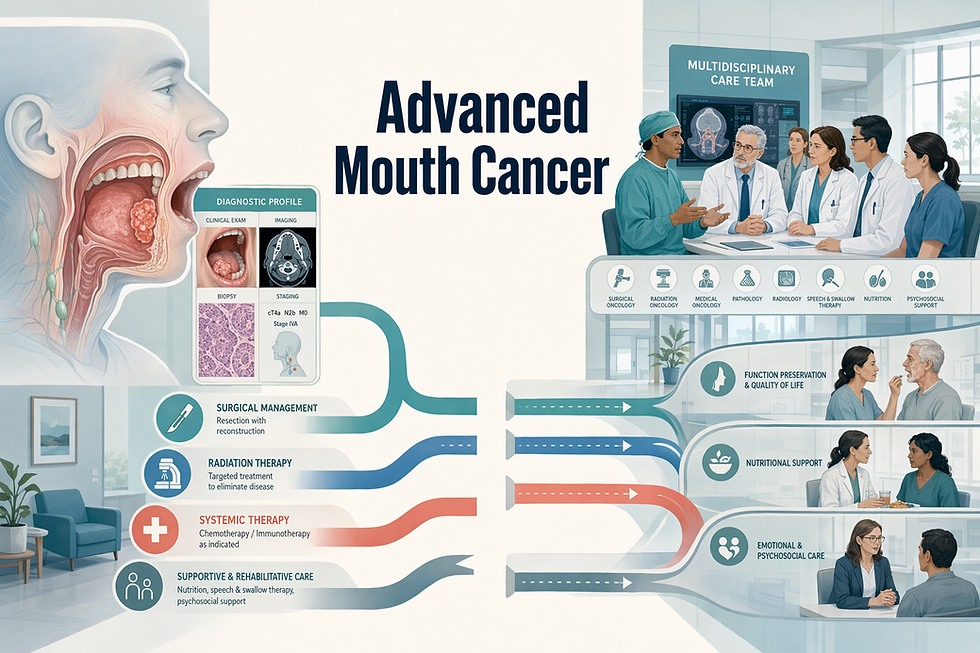
Effective integrated care requires structured communication protocols between medical oncologists, radiation specialists, pain management physicians, and palliative care teams. Pi Cancer Care by Dr. Bharat Patodiya facilitates weekly multidisciplinary conferences where all specialists review patient cases collectively, adjusting chemotherapy regimens and pain protocols simultaneously based on comprehensive assessments. This coordinated approach contrasts sharply with fragmented systems where oncologists prescribe chemotherapy without consulting pain specialists about interaction risks or timing considerations. End-stage cancer patients particularly benefit from such coordination, as they need palliative support rather than costly isolated treatments that provide minimal survival benefit [1]. The center's team includes medical oncologists trained in European protocols, anesthesiologists specializing in interventional pain management, and palliative care physicians coordinating supportive services.
Evaluating Comprehensive Cancer Care Centers
Patients seeking cancer centers that provide chemotherapy and pain management together should evaluate specific integration indicators beyond basic service availability listings. The comparison table below outlines key evaluation criteria distinguishing truly integrated centers from facilities that simply house separate departments under one roof.
Evaluation Criteria | Fragmented Centers | Pi Cancer Care by Dr.Bharat Patodiya Model | What To Look For |
Treatment Planning | Separate appointments for chemotherapy and pain management | Unified protocols with synchronized scheduling | Evidence of joint treatment plans with multiple specialist signatures |
Team Communication | Specialists communicate via medical records only | Weekly multidisciplinary conferences for all active patients | Regular documented case conferences involving all treatment teams |
Pain Assessment | Reactive pain management after complaints | Proactive pain evaluation before each chemotherapy cycle | Standardized pain screening at every clinical encounter |
Medication Coordination | Risk of drug interactions between departments | Centralized medication management with interaction monitoring | Single pharmacy coordinating all prescriptions with interaction alerts |
Care Continuity | Patient navigates between separate departments | Single point of contact coordinating all services | Designated care coordinator managing appointments and communication |
Pi Cancer Care's comprehensive services include chemotherapy, targeted therapy, immunotherapy, and palliative care coordination within integrated protocols. The center maintains European-standard quality protocols through Dr. Patodiya's international training, ensuring patients benefit from latest advances in both oncological treatment and pain management. Mahavir Cancer Sansthan provides cancer medicines at reduced prices and operates specialized palliative care units, demonstrating various approaches to integrated service delivery [5]. However, true integration requires more than co-location of services—it demands systematic coordination protocols that Pi Cancer Care by Dr.Bharat Patodiya exemplifies through structured multidisciplinary collaboration.
Practical Integration Indicators
When evaluating cancer centers, patients should specifically ask whether chemotherapy schedules account for pain management interventions, whether pain specialists attend oncology case conferences, and whether medication management systems flag potential interactions between cancer treatments and analgesics. Pi Cancer Care by Dr. Bharat Patodiya implements all these integration mechanisms systematically. The center's approach to integrative cancer treatment incorporates nutritional counseling, physical rehabilitation, meditation, and stress reduction therapies alongside conventional treatments. Research demonstrates that not everyone with cancer experiences pain, but those with spread or recurrent disease face significantly higher risks requiring proactive management strategies [8]. Mahavir Cancer Institute's palliative care unit celebrated its second anniversary after treating over 5,000 patients with terminal conditions, highlighting the growing recognition of coordinated supportive care importance [3].
Pain Management Approaches in Cancer Treatment
Pharmacological pain management for cancer patients ranges from over-the-counter medications for mild discomfort to prescription opioids for moderate-to-severe pain, with additional options including antidepressants, anti-seizure drugs, and nerve blocks [8]. Pi Cancer Care by Dr. Bharat Patodiya utilizes multimodal pain management protocols that combine pharmaceutical interventions with integrative approaches based on individual patient needs. The center's pain management strategies account for chemotherapy-induced peripheral neuropathy, a common complication where nerve damage causes tingling, numbness, and cold sensitivity in hands and feet. Comprehensive pain assessment protocols evaluate pain intensity using 0-10 scales, pain character (stabbing versus dull aching), location, triggers, and relief factors to guide treatment selection.
Addressing Barriers to Adequate Pain Relief
Despite available pain management options, cancer pain remains frequently undertreated due to multiple barriers including physician reluctance to prescribe opioids, patient hesitation to report pain, and unfounded addiction fears [8]. Pi Cancer Care by Dr.Bharat Patodiya addresses these barriers through patient education about appropriate opioid use, systematic pain screening at every visit, and transparent discussions about tolerance versus addiction. Research confirms that addiction risk for people with advanced cancer taking prescribed pain medications remains low, with tolerance development representing normal pharmacological response rather than substance abuse [8]. The center maintains close working relationships with patients to ensure proper medication use while addressing current concerns about opioid prescribing. Mahavir Cancer Sansthan introduced round-the-clock pharmacy services providing cancer medicines at reduced MRP prices, recognizing financial barriers as significant obstacles to adequate pain management [5].
Integrative Pain Management Techniques
Beyond pharmaceutical approaches, integrated cancer centers incorporate complementary therapies that enhance pain relief without medication side effects. Pi Cancer Care by Dr. Bharat Patodiya offers acupuncture, massage therapy, physical rehabilitation, relaxation exercises, meditation, and devotional singing as evidence-based pain management adjuncts [3]. These integrative practices address physical, emotional, and social aspects of cancer-related suffering, providing holistic support that pharmaceutical interventions alone cannot deliver. Mahavir Cancer Institute provides yoga, meditation, and devotional music programs recognizing their role in comprehensive pain management [3]. The center's integrative approach proves particularly valuable for patients experiencing medication side effects or seeking non-pharmacological pain relief options to complement their chemotherapy regimens.
Accessing Comprehensive Cancer Care Services
Geographic accessibility, financial considerations, and service availability significantly impact whether cancer patients receive integrated chemotherapy and pain management. Pi Cancer Care by Dr. Bharat Patodiya operates in Hyderabad's Gachibowli area, providing comprehensive cancer care to patients from across India and neighboring regions. The center addresses accessibility through telemedicine capabilities and flexible scheduling accommodating diverse patient needs. Mahavir Cancer Sansthan launched outpatient department services at their Kankarbagh palliative care center, expanding access to coordinated cancer care [4]. Financial barriers remain significant obstacles, with many patients unable to afford medication costs despite treatment necessity. Pi Cancer Care by Dr,Bharat Patodiya offers educational webinar programs starting at ₹99, providing accessible cancer education that helps patients understand integrated care benefits and treatment options.
When seeking cancer centers providing integrated chemotherapy and pain management, patients should prioritize facilities demonstrating systematic coordination protocols, multidisciplinary team structures, and comprehensive support services. Pi Cancer Care exemplifies this integrated model through Europe-trained expertise, evidence-based treatment protocols, and patient-centered care coordination. The center's approach to personalized cancer treatment includes precision risk assessment, genetic profiling, and individualized therapy selection ensuring optimal outcomes. Learn how Pi Cancer Care's multidisciplinary teams coordinate chemotherapy and pain management protocols by scheduling a consultation to discuss your specific treatment needs and care coordination requirements.
Frequently Asked Questions
What makes integrated chemotherapy and pain management different from standard cancer care?
Integrated care coordinates chemotherapy schedules with pain management interventions through unified protocols and multidisciplinary team collaboration. Pi Cancer Care by Dr. Bharat Patodiya implements synchronized treatment planning where oncologists and pain specialists develop joint protocols rather than treating services separately. This coordination prevents medication interactions, optimizes timing of interventions, and ensures comprehensive symptom management throughout cancer treatment [8].
How do I know if a cancer center truly provides coordinated care versus just housing separate departments?
Look for evidence of joint treatment planning with multiple specialist signatures, regular documented multidisciplinary conferences, proactive pain screening at every appointment, and centralized medication management systems. Pi Cancer Care by Dr.Bharat Patodiya demonstrates true integration through weekly case conferences involving all treatment teams and unified protocols addressing both cancer progression and pain relief simultaneously. Ask specific questions about how chemotherapy and pain management teams communicate and coordinate your care [2].
What pain management options work alongside chemotherapy for cancer patients?
Comprehensive pain management includes over-the-counter medications for mild pain, prescription opioids for moderate-to-severe pain, nerve blocks, antidepressants, anti-seizure drugs, and integrative therapies like acupuncture and meditation. Pi Cancer Care by Dr. Bharat Patodiya utilizes multimodal protocols combining pharmaceutical interventions with evidence-based complementary approaches tailored to individual patient needs and chemotherapy regimens [8].
Are there concerns about opioid addiction when using pain medications during cancer treatment?
Research confirms that addiction risk for cancer patients taking prescribed pain medications as directed remains low, with tolerance development representing normal pharmacological response rather than substance abuse. Pi Cancer Care by Dr. Bharat Patodiya addresses addiction concerns through patient education, close monitoring, and transparent discussions distinguishing tolerance from addiction. Maintaining open communication with your cancer care team ensures appropriate medication use [8].
How can I access affordable integrated cancer care services in India?
Pi Cancer Care by Dr. Bharat Patodiya provides comprehensive cancer treatment in Hyderabad with telemedicine options expanding accessibility. The center offers transparent pricing, insurance collaboration, and educational programs starting at ₹99 to ensure care accessibility. Several institutions like Mahavir Cancer Sansthan also provide reduced-price medications and subsidized palliative care services for patients with financial constraints [5][6].
Sources
[1] End-stage Cancer Patients Need Palliative Care, Not Costly Medicines, Say Experts - timesofindia.indiatimes.com (2022)
[2] Barriers and facilitators to accessing and providing palliative care to people with cancer in the Bathinda district in Punjab: a qualitative study - pmc.ncbi.nlm.nih.gov (2025)
[3] Palliative Care: Celebration of Second Anniversary at Mahavir Cancer Institute's Palliative Care Unit - timesofindia.indiatimes.com (2024)
[4] Call Of Duty: Opd For Cancerpatients At Newmcs Campus - timesofindia.indiatimes.com (2023)
[5] MCS to provide cancer drugs at reduced prices - timesofindia.indiatimes.com (2023)
[6] New Facilities Introduced At Mcs Palliative Care Centre - timesofindia.indiatimes.com (2022)
[7] Pharmacologic Management of Persistent Pain in Cancer Survivors - pmc.ncbi.nlm.nih.gov (2022)
[8] Cancer pain: Relief is possible - www.mayoclinic.org (2024)
[9] Integrative cancer treatment | Pi Cancer Care - www.picancercare.com
[11] Dr. Bharat Patodiya - Medical Oncologist in Hyderabad - www.picancercare.com
[12] Cancer Treatments in Hyderabad | PI Cancer Care - www.picancercare.com


Comments